Navigating the tension
Is it just me, or are we in a cultural moment that is fraught with tension? It could just be that I'm attuned to nuance, but I find myself increasingly dissatisfied with simplistic rhetorical framing of nearly every big idea out there and thinking to myself "two things can be true at the same time..." In some ways, it's a helpful heuristic for who out there in this wide world I want to give credence to: so often it has less to do with the position they occupy and more to do with the way they articulate the uncertainty and opposition to it.
In that vein, I've had that moment a lot lately where I read something and think "this rhymes with (other thing I read recently), and these things are in conversation with each other about something that feels relevant to what it means to live in the cultural zeitgeist of 2026...I've got a few short essays queued up that provided some loosely connected thoughts on this strange moment we're living in. Here's the first:
The pull toward and resistance to DIY
My antennae have been attuned to the punk sensibility of DIY for most of the past year (like, even moreso than normal), because of 2 competing impulses I see & experience:
- on the one hand, it's never been easier to create, distribute, share just about any form of work possible. I think about this most in relation to artifacts of artistic and creative expression - music, movies, games, the written word, etc. - but it's kind of true about everything. The upside of this is that the power of the gatekeeper is ever less absolute. The downside of this is that for anything that a person creates that is intended for other people to experience, the amount of noise is dramatically heightened and the ability to distinguish noise from signal is dramatically lessened.
- on the other hand, the pressure is at least as high if not higher to fit work into familiar tropes for easy consumption by algorithms & the remaining gatekeepers. Algorithms aren't designed to have taste or preference; they are designed to identify and amplify a defined pattern. The reduced influence of professional gatekeepers has had the ironic affect of wiping out the niche tastemakers while making the mainstream gatekeepers even more risk-averse & conservative.
The net result of this is that the system that allows for the most diverse possible creative expression also incentivizes most heavily the safest creative output. Where distinct, novel, unexpected things emerge it increasingly comes from the willingness of the creator(s) to take up the responsibility of figuring out how to break through the surface from deep under the ocean of noise, and the ability of micro-scenes to act as amplifiers of niche work. All of this is neither an unmitigated disaster nor an unassailable good, but I felt all of this the most viscerally when I read about best-selling author Ann Friedman's inability to sell the one book idea that she really wanted to write and her choice to say "what I am and what I want to be is a writer, not a marketer & publicist & designer and the other half a dozen things that are required if I want to bring this book into being on my own." From the link, here's her articulation of how those competing impulses are playing out in publishing:
Every big industry that produces creative work, or funds creative work, has a risk-taking problem. They do not want to take a risk on something unless they are absolutely certain there will be an audience for it. And that’s doomed to fail from the start.
How many things have you personally loved in your life where you’re like, wow, I never would have thought I would love this, but it was great? That is the way we consume things. From an investment perspective, any industry that is investing in creative work is so small-c conservative. Finding a way to cater to that conservatism while still making things that you want to make is the trick.
The other option is to not expect any payment upfront, fund for yourself the making of exactly what you want to make, and then, once you demonstrate an audience for it, say, “Haha, now you can pay me.”
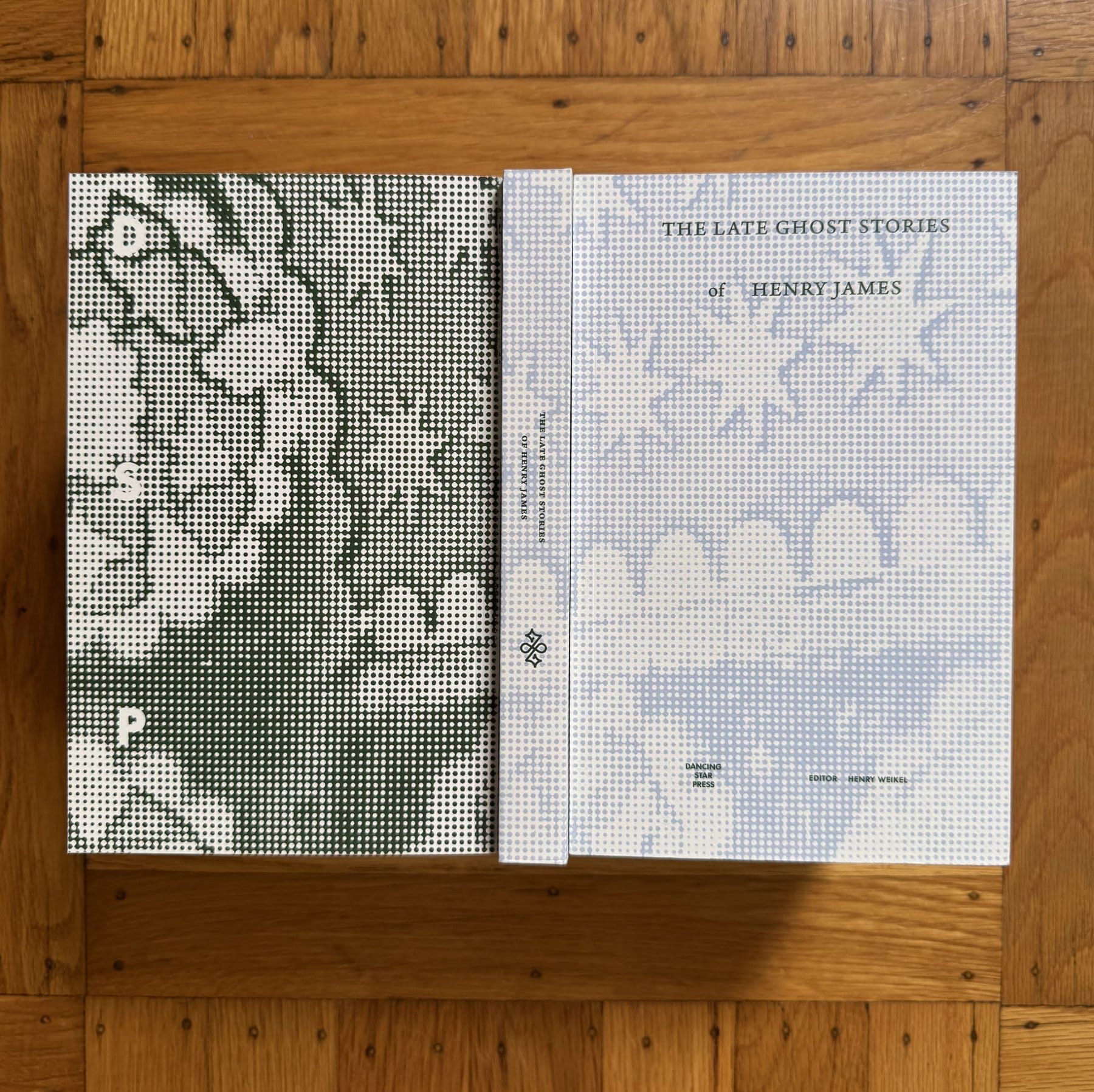
And on that last point, she's correct: that is an option. I read about Henry Weikel's guidance on deciding to print your own books by creating beautiful artifacts of texts long forgotten but much loved, and I feel drawn to all of the design decisions aside from the text itself that go into the creation of a book-shaped object. I put that in conversation with Rachel Maddux's essay on the process and economics of self-publishing her own work...and I see some indication of what it means to choose the path of DIY: it means independence, yes; it also means committing to a labor of love that can pay something, but in 99 out of 100 cases (this is optimism) not enough on its own to sustain an individual.
The path of DIY, it is also worth noting, is not a path of mainstream success. It's a path of appealing to a particular niche, and the larger that niche is the more difficult it is to break through because there are more people contributing to it...but the larger that niche, the more feasible it is that one can cobble together a livelihood by contributing to it.
And, of course, there's an AI angle lurking in all of this. This article on Promise, an AI-native film production studio, is a prime example of the tension of the cultural moment. The studio itself I'm pretty meh on; the way some of its people seem so dismissive of the essential human contribution of actors and other craftspeople who bring a film to life makes me feel some combination of sick and furious. But the idea that within a studio system that seems more and more concerned with only playing at the extremes of either commodity content or super high budget spectacle, I get the contention that AI could be a tool for craftspeople to use that makes non-blockbusters an economically viable option, and I get why craftspeople and artists who don't want to play by the studios' rules might be drawn to it.
Some links, just for funsies...
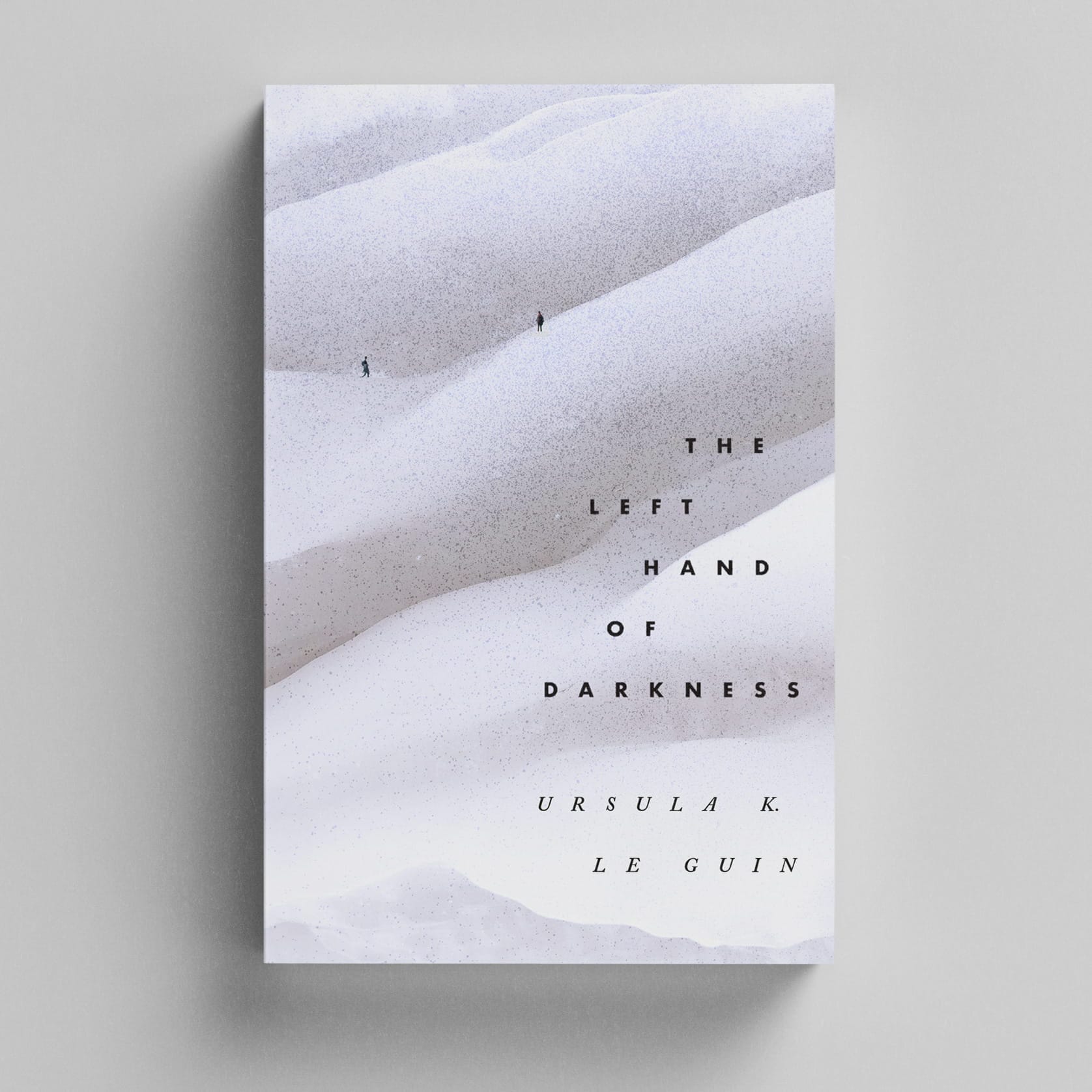
- Jenny Volvoski "hired herself" to design book covers as a way of breaking into the world of book cover design. Very much in conversation with everything above...even down to the fact that if you compare what she did with the actual covers that some of these books have been published with, you can see how cautious the design aesthetic of a publishing house is compared to the ambition of a freelancer.
- Uncovered. This is an interesting little experiment in novel ways to find signal in the noise. The site gives you the first page of a novel with no additional context; you can reveal to see what the book is, or swipe to see another first page.
- Dying Off the Shelves. This one really bums me out. AI labs buy rare print books to digitize as training data & then destroy. ISBNdb sucks.
- Rick Rubin interviews Dave Eggers. This one, however, doesn't bum me out! Eggers is so idiosyncratic, and I love him for it. He's also the rare example of a person who is straddling the worlds of mainstream success and independent work. I was a subscriber to the print edition of McSweeney's back in the very early days, and hearing in this interview about the different ways that McSweeney's continues to experiment with literary publishing filled me with regret that I had ever given up that subscription (but also, what a marvel that I - as a thoroughly broke college student - was spending the very little money I had on that very expensive publication) and jolted me to resubscribe.
Quick note of gratitude to so many of you who reached out with condolences and words of wisdom after my last post. Unfortunately, I've been to this rodeo enough times in life to know that there's no getting back to normal, and instead there's some integration of the feeling of grief and loss into a changed way of being in the world. We go on.
Member discussion